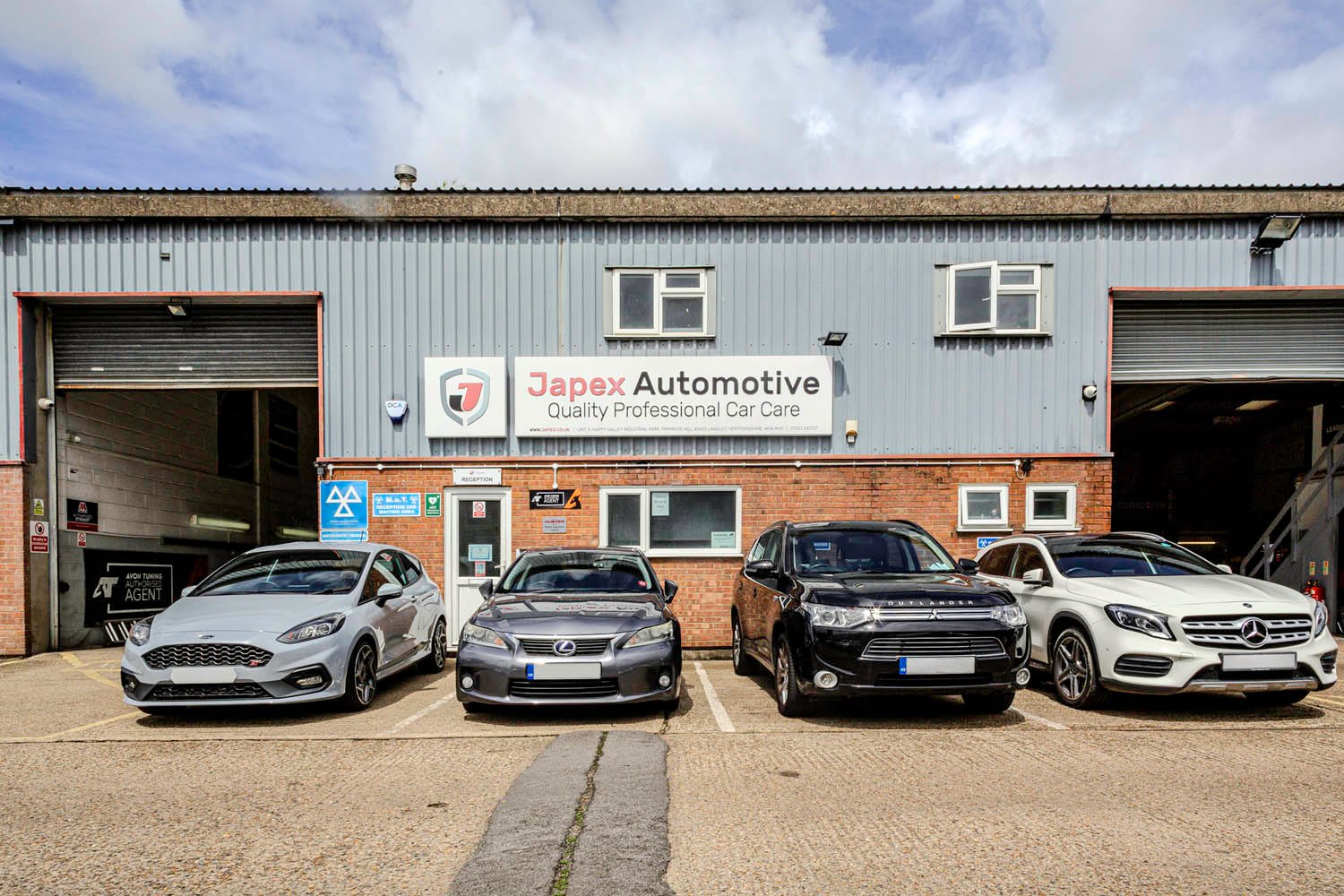
In the competitive world of automotive services, independent garages in the UK face a constant battle to attract local customers. With searches for “MOT near me” surging as drivers prioritise convenience and reliability, mastering independent garage SEO UK has never been more crucial. According to recent data, millions of MOT tests are conducted annually in Great Britain, with over 179,821 tests on a single day in February 2025 alone. This highlights the massive opportunity for garages to capture local traffic through targeted MOT SEO and local garage SEO strategies.
However, simply having a website isn’t enough. You need a comprehensive approach that includes auditing your current setup, optimising your Google Business Profile (GBP), and leveraging case studies like RevUp Garage, which achieved a remarkable 200% uplift in bookings through clever SEO tactics. In this guide, we’ll delve into actionable steps to help your independent garage rank higher in 2025, supported by industry research and practical insights. Whether you’re a small workshop in Manchester or a family-run business in London, these techniques can significantly enhance your online visibility.
Why Local SEO Matters for Independent Garages in the UK
First and foremost, let’s understand the landscape. Local SEO focuses on optimising your online presence to appear in searches from nearby users. For independent garages, this means targeting queries like “MOT near me,” “local garage SEO,” and related terms that drive foot traffic and bookings.
Research indicates that 46% of all Google searches are local, and for automotive services, proximity is a key factor. In the UK, where over 30 million vehicles require annual MOT tests, garages that rank well for these terms see significant boosts in inquiries. Moreover, with the rise of mobile searches—think drivers pulling over to find a quick MOT—optimising for “near me” queries can lead to immediate conversions.
Additionally, independent garages often compete with larger chains, such as Kwik Fit or Halfords, which dominate national search results. But local SEO levels the playing field by emphasising relevance, prominence, and proximity. For instance, a well-optimised GBP can place you in the coveted Google Map Pack, where the top three results capture over 40% of clicks.
That being said, the automotive sector is undergoing significant evolution. In 2025, factors such as electric vehicle (EV) servicing and sustainability are influencing searches, making it essential to incorporate these into your MOT SEO strategy. By focusing on independent garage SEO in the UK, you not only attract more customers but also build long-term loyalty within your community.

Conducting a Local SEO Audit: Step-by-Step Guide
Before implementing changes, start with a thorough local SEO audit. This process identifies gaps in your current strategy and sets a baseline for improvement. Here’s a detailed, step-by-step breakdown tailored for UK garages.
Step 1: Review Your Google Business Profile
Log in to your GBP account and verify all details: name, address, phone number (NAP), and hours. Inconsistencies can harm rankings. Additionally, check for unclaimed profiles—many small businesses overlook this critical step—update categories to include “MOT Testing Service” and “Auto Repair Shop” for improved relevance.
Step 2: Analyse On-Site SEO Elements
Examine your website for mobile-friendliness, as 60% of local searches occur on mobiles. Use tools like Google’s Mobile-Friendly Test. Ensure meta titles and descriptions incorporate keywords like “independent garage SEO UK” naturally. Moreover, audit page speed—aim for under three seconds to reduce bounce rates.
Step 3: Check Local Citations and Listings
Scan directories like Yell, Yelp, and Thomson Local for consistent NAP information. Discrepancies can confuse search engines. Tools like Moz Local can help identify issues. For a UK-specific focus, prioritise—co. UK sites.
Step 4: Evaluate Backlinks and Online Reputation
Assess your backlink profile using Ahrefs or SEMrush. Aim for high-quality links from local sources, such as automotive forums or UK directories. Simultaneously, review customer feedback on Google, Trustpilot, and Facebook. Positive reviews boost prominence, with studies showing that 88% of consumers trust online reviews as much as personal recommendations.
Step 5: Keyword Research and Competitor Analysis
Identify target keywords like “MOT SEO” and “local garage SEO.” Use Google’s Keyword Planner to find search volumes— “MOT near me” alone sees thousands of monthly UK searches. Compare with competitors: What content do top-ranking garages have? Tools like SEMrush can reveal their strategies.
Step 6: Technical SEO Check
Ensure your site has an XML sitemap and robots.txt file. Fix broken links and duplicate content. For garages, embed schema markup for services like MOT testing to enhance rich snippets in search results.
Step 7: Content and User Experience Audit
Review blog posts and service pages for relevance and accuracy. Are they optimised for user intent? For example, a page on “What to Expect from an MOT in 2025” can attract informational searches. Test navigation for ease—customers should be able to book an MOT in under three clicks.
Step 8: Track Performance Metrics
Use Google Analytics and Search Console to monitor organic traffic, bounce rates, and conversion rates. Set up goals for bookings or inquiries to measure ROI.
By following these steps, you’ll uncover hidden opportunities and establish a strong foundation for your independent garage SEO efforts in the UK. Remember, audits aren’t one-offs; revisit them quarterly as algorithms evolve.

Optimising Your Google Business Profile for Maximum Impact
GBP is the cornerstone of local garage SEO. An optimised profile can skyrocket your visibility in “MOT near me” searches. Here’s how to fine-tune it.
First, claim and verify your listing if you haven’t already done so. Add high-quality photos of your garage, team, and services—visuals increase engagement by 35%. Include 360-degree tours for an immersive experience.
Next, optimise your business description with keywords like “independent garage SEO UK” and “MOT SEO.” Describe your services succinctly: “Expert MOT testing and repairs for all vehicles in [Your City].”
Moreover, select precise categories. Beyond “Auto Repair Shop,” add “MOT Centre” to align with UK-specific searches. Update attributes like “wheelchair accessible” or “offers EV charging” to appeal to modern drivers.
Encourage reviews actively—respond to all, positive or negative, to show responsiveness. Research indicates that profiles with over 100 reviews rank higher. Post regular updates about promotions, like “Book your MOT near me and save 10% on services.”
For service-area businesses without a fixed address, define your coverage radius accurately to avoid penalties. Integrate GBP with your website for seamless bookings and an enhanced user experience.
Finally, use GBP insights to track impressions and actions. This data informs adjustments, ensuring your profile remains competitive in 2025.
On-Page and Content Strategies for MOT SEO
On-page SEO optimises your website to align with user intent. For “MOT near me,” create dedicated pages like “MOT Testing in [City]: What You Need to Know.”
Incorporate keywords naturally: Use “independent garage SEO UK” in headings, but avoid stuffing. For example, H2 tags like “Top Tips for Passing Your MOT First Time.”
Additionally, produce valuable content. Blog about “Common MOT Failures in 2025,” citing DVSA data on defects like brakes (a top failure reason). Include infographics or checklists to engage readers.
Optimise for voice search, as devices like Siri often handle “near me” queries. Use conversational phrases: “Where can I get an MOT near me today?”
Furthermore, embed local elements: Mention UK landmarks or events, like “Convenient MOT services near the M25.” This boosts relevance.
Technical tweaks matter too—compress images, use alt text like “MOT testing bay at our independent garage,” and ensure HTTPS security.
By blending these tactics, your site becomes a magnet for local traffic, driving more MOT bookings.
Building Citations, Backlinks, and Community Presence
Citations—mentions of your NAP across the web—are vital for local rankings. Start with major UK directories, such as Yell.co.uk, FreeIndex.co.uk, and Scoot.co.uk.
However, quality trumps quantity—partner with local chambers of commerce or automotive associations for authoritative links.
Backlinks from UK sites amplify this. Guest post on blogs like AutoTrader or sponsor local events for mentions. A study found that top local results have 2-3 times more backlinks.
Engage on social media: Share MOT tips on Facebook or X (formerly Twitter) to build community. This indirect SEO boosts brand prominence.
For MOT-specific links, collaborate with councils or DVSA-approved sites. Consistent efforts here can elevate your garage’s authority.
Case Study: RevUp Garage’s 200% Booking Uplift
Let’s look at a real-world example. RevUp Garage, an independent operation in Birmingham, struggled with low online visibility in 2024. By focusing on independent garage SEO UK, they transformed their fortunes.
They began with a local SEO audit, identifying inconsistent citations and an unoptimised GBP. Implementing the steps outlined earlier, they claimed their profile, added detailed services, and encouraged reviews—jumping from 20 to 150 in six months.
Next, they targeted “MOT near me” with on-page optimisations: A new landing page with schema markup and localised content. Backlinks were obtained through partnerships with local blogs and directories.
The results? Within a year, organic traffic surged, resulting in a 200% increase in MOT bookings. As one review noted, “Found RevUp via Google—quick MOT and great service!” This mirrors broader automotive SEO successes, where targeted strategies yield measurable growth.
RevUp’s story proves that with dedication, even small garages can dominate local searches.
Measuring Success and Adapting for the Future
Track key metrics: Utilise Google Analytics to monitor traffic sources and conversions. Monitor GBP insights for search queries and directions requests.
Tools like SEMrush provide ranking reports for “MOT SEO” terms. Set benchmarks—aim for a 20-30% increase in local traffic quarterly.
Moreover, stay updated: 2025 may bring AI-driven search changes, so adapt content for semantic relevance.
If results plateau, revisit your audit. Consistent monitoring ensures sustained growth in independent garage SEO UK.
Conclusion
Ranking for “MOT near me” in 2025 demands a strategic blend of audits, GBP optimisation, and content excellence. By implementing these independent garage SEO tactics in the UK, you can outpace your competitors and secure more bookings. Remember RevUp’s success—achieving a 200% uplift is possible with persistence.
Ready to rev up your SEO? Start with an audit today and watch your garage thrive.
References and High-Quality UK Resources
For further reading, here are trusted UK-based links:
- GOV.UK MOT Testing Data – Official statistics on MOT tests in Great Britain.
- DVSA MOT Guidance – Policies and checks for MOT centres.
- BrightLocal: Local SEO for Service-Area Businesses – Insights on GBP for UK businesses.
- SMMT Vehicle Data – UK car registration statistics.
- Auto Marketing Agency: GBP for Car Garages – Tailored advice for garages.
- Targeted SEO: Automotive Services – SEO strategies for the UK automotive sector.
- Garage Gurus: Marketing Strategies – Practical tips for independent garages.